A rare syndrome revealed by large eyes and high myopia

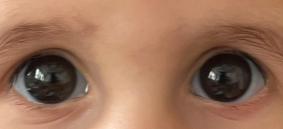
A 4-month-old patient is referred by pediatrician for suspected congenital glaucoma and “large eyes” appearance.


Presentation
PART 1 – CASE PRESENTATION

    Clinical background 

    • Macrosomia detected in the 3rd trimester of pregnancy
    • No known family history
    • Non-consanguineous parents
    A rare syndrome revealed by large eyes and high myopia

    Ophthalmological findings 

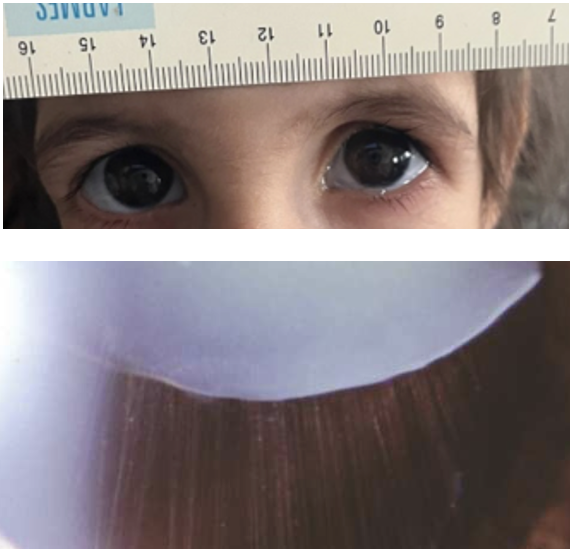
    • Megalocornea bilateral DC 12.5 mm (normal <10.5 mm at 6 months)
    • Iridodonesis
    • Lens ectopia (ectopia lentis), clear lens
    • No tearing, no photophobia
    • Refraction under 0.3% atropine: RE: -7.75 D LE: -7.25 D
    • IOP (iCare) : 23mmHg RE, 24 mmHg LE
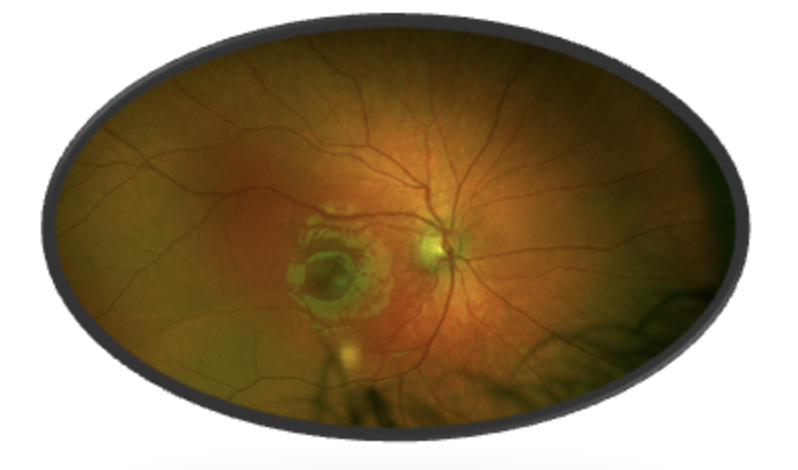
    • Fundus: C/D ratio 0.1, normal optic disc
    Ophthalmological findings

    General examination: 

    • Height >2 SD: 70 cm at 4 months (average: 60 cm)
    • Facial dysmorphia with loose, redundant facial skin


    Take the quiz and test your clinical reasoning.
    Part 2 will reveal the diagnosis and key learning points. Stay tuned.

    Loading...

PART 2 – FINAL STRATEGY

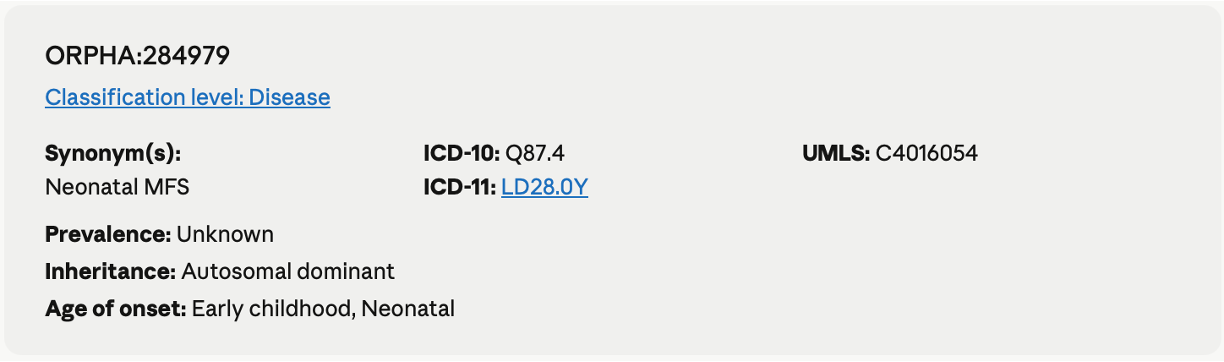
    The diagnosis was Neonatal Marfan Syndrome

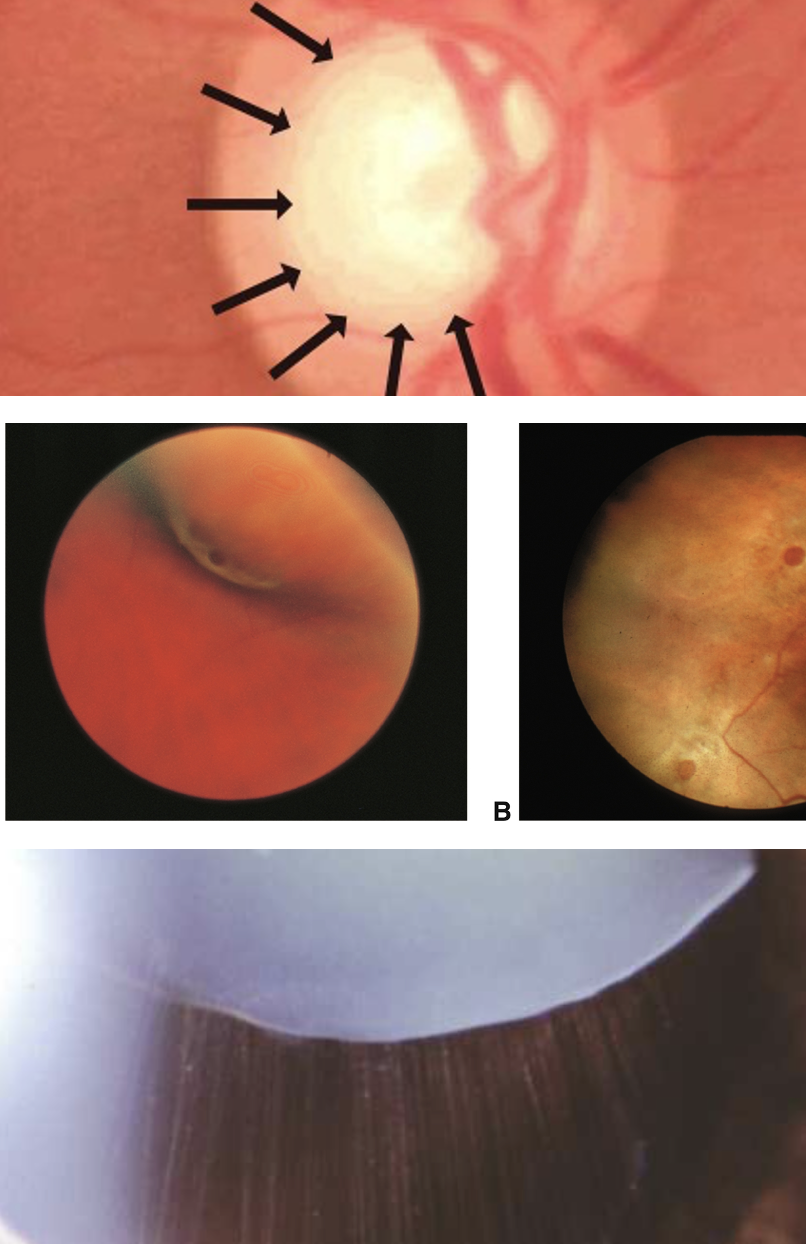
    Very early onset presentation.  Ophthalmological findings: Megalocornea Iridodonesis Ectopia lentis High Myopia Glaucoma


    Very early onset presentation. 

    Ophthalmological findings: 

    • Megalocornea
    • Iridodonesis
    • Ectopia lentis
    • High Myopia
    • Glaucoma
    Very early onset presentation.  Ophthalmological findings: Megalocornea Iridodonesis Ectopia lentis High Myopia Glaucoma

    Systemic features: 

    • Facial dysmorphia (crumpled ears, loose redundant skin giving a senile facial appearance)
    • Joint hyperlaxity
    • Pulmonary emphysema
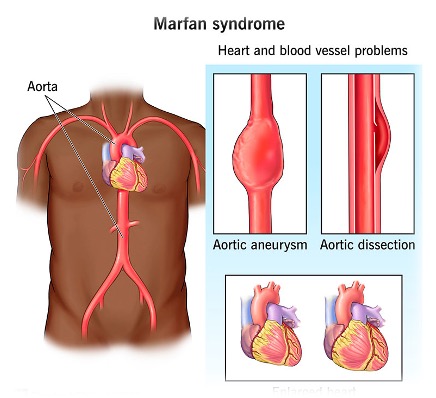
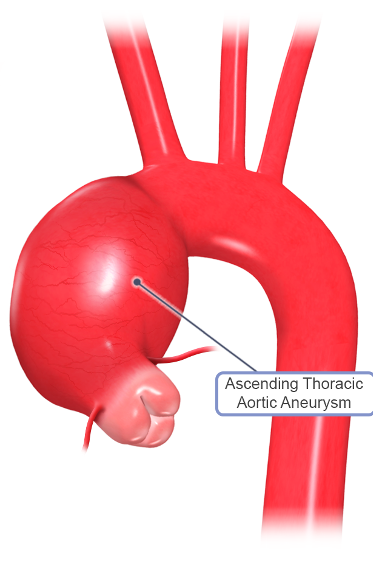
    • Aortic dilatation
    • Mitral regurgitation

    Cardiac involvement 

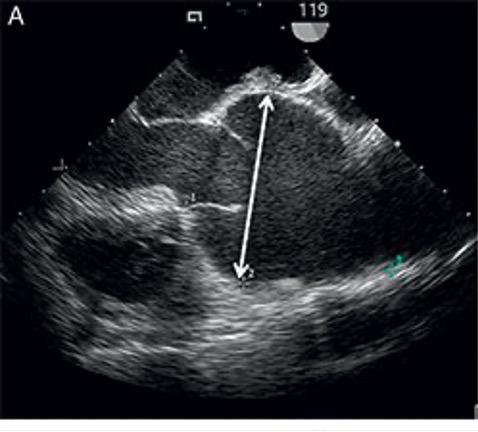
    • Echocardiography report:
      • Mitral valve prolapse (MVP) with moderate mitral regurgitation
    • Aortic regurgitation and dilatation
    Cardiac involvement   Echocardiography report:Mitral valve prolapse (MVP) with moderate mitral regurgitation  Aortic regurgitation and dilatation
    Paragraph
    Media
    Image 75% mortality rate at 3 years

    75% mortality rate at 3 years


    Ophthalmological Management

    • Glaucoma
    • High Myopia


    • Full optical correction
    • IOP control: association Latanoprost + Timolol (no beta-blocker contraindication in Marfan syndrome)
    • General anesthesia contraindicated due to major aortic dilatation (awaiting high-risk cardiac surgery: mitral valve replacement)
    • Regular fundus and IOP
      • (IOP: 10 and 11 mmHg at last visit)


    Progressive Myopia 

    • At 19 months, cycloplegic refraction (atropine 0.3%) revealed:
      • RE: -13.25
      • D LE: -13.75 D 

    Severe progression of high myopia (+5.50 D / +6.50 D in 15 months), despite IOP stabilization

    FBN1 gene mutation: FBN1: connective tissue disorder 

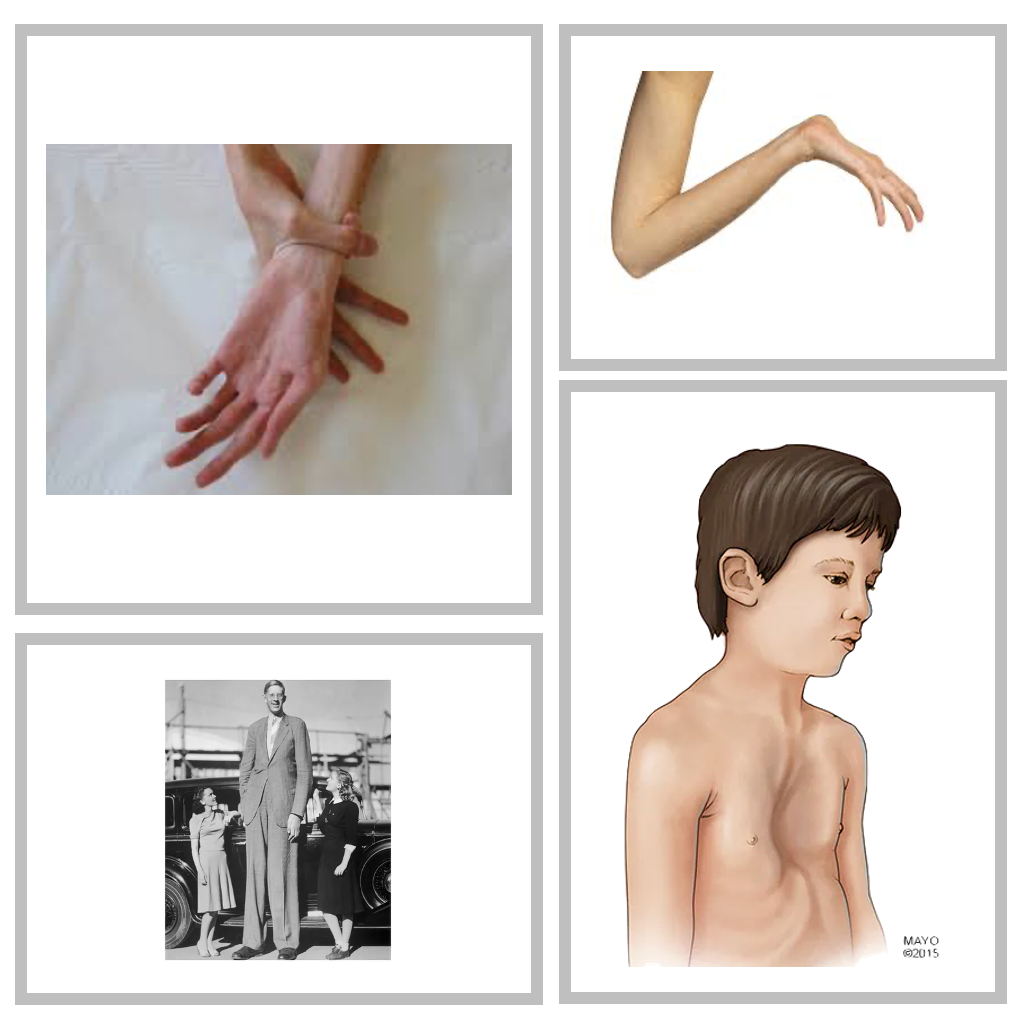
    Musculoskeletal manifestations: 

    • Tall stature
    • Slender build
    • Sternal deformity (pectus excavatum/carinatum)
    • Joint hyperlaxity
    Musculoskeletal manifestations:

    FBN1 gene mutation: FBN1: connective tissue disorder 

    Cardiovascular manifestations: 

    • Aortic root dilatation
    • Mitral valve prolapse
    • Aortic aneurysm
    FBN1 gene mutation: FBN1: connective tissue disorder  Cardiovascular manifestations:       Aortic root dilatation     Mitral valve prolapse     Aortic aneurysm
    Ophthalmological manifestations:       Ectopia lentis bilateral (80% of cases); subluxation (anterior chamber; vitreous)     Myopia +/- astigmatism (lens-related); severe and progressive course     Angle anomaly: glaucome Cataract     Lattice retinal degeneration: risk of retinal detachment

    Ophthalmological manifestations: 

    • Ectopia lentis bilateral (80% of cases); subluxation (anterior chamber; vitreous)
    • Myopia +/- astigmatism (lens-related); severe and progressive course
    • Angle anomaly: glaucome Cataract
    • Lattice retinal degeneration: risk of retinal detachment
    • Marfan Syndrome prevalence: 1/5,000 (12,000 patients in France)
    • Neonatal Marfan Syndrome: extremely rare


    • Differential diagnosis :
      • High myopia
      • Megalocornea
      • Congenital Glaucoma


    • ⚠️ Role of the ophthalmologist: trigger an early alert and complete pediatric cardiology workup


    • In follow-up, the ophthalmologist plays a key role in monitoring and screening for the various complications of high myopia.


    References

    • 1. Dietz H. FBN1-Related Marfan Syndrome. GeneReviews®. Seattle: Univ. Washington; 2001 [maj 2022]. PMID: 20301510
    • 2. Pugnaloni F, De Rose DU, Digilio MC, et al. Neonatal Marfan syndrome: a case report of a novel fibrillin 1 mutation, with genotype-phenotype correlation. Ital J Pediatr. 2024;50(1):18
    • 3. PMID: 39294662 3. Tognato E, Perona A, Aronica A, et al. Neonatal Marfan Syndrome. Am J Perinatol. 2019;36(S 02):S74-S76. PMID: 31238364
    • 4. Kuruvilla SE, Welch S, Ng Y. Microcornea and bilateral ectopia lentis in an infant: unusual severe ocular presentation of neonatal Marfan syndrome. J AAPOS. 2019;23(2):107-108. PMID: 30447425
    • 5. Solé-Ribalta A, Rodríguez-Fanjul X, Carretero-Bellon JM, et al. Neonatal Marfan Syndrome: A Rare, Severe, and Life-Threatening Genetic Disease. J Pediatr. 2019;211:221-221.e2. PMID: 31053350
    • 6. Amado M, Calado MA, Ferreira R, Lourenço T. Neonatal Marfan syndrome: a successful early multidisciplinary approach. BMJ Case Rep. 2014;2014:bcr2013202438. PMID: 24928929
    • 7. Laks JA, Lynch A, Honjo O, et al. Heart transplantation in neonatal Marfan syndrome: Saving life in a rare and fatal condition. Pediatr Transplant. 2023;27(6):e14560. PMID: 37377051
    • 8. Maumenee IH. The eye in the Marfan syndrome. Trans Am Ophthalmol Soc. 1981;79:684-733.
    • 9. Nazarali S, Nazarali SA, Antoniuk A, Greve M, Damji KF. Childhood glaucoma in neonatal Marfan syndrome resulting from a novel FBN1 deletion.
    • 10. Kale Y, Isik DU, Celik U, et al. Neonatal Marfan syndrome with angle-closure glaucoma, tricuspid and mitral insufficiency. PMID: 26043516
    • 11. Konradsen TR, Koivula A, Kugelberg M, Zetterström C. Corneal curvature, pachymetry, and endothelial cell density in Marfan syndrome. PMID: 21726424
Contributors
Team
Eumys
Aurore AZIZ-ALESSI
Author
Eumys
Clément RICHARD
Author
Eumys
Margaux ISMEDON
Author

Stay at the forefront of myopia management with clinical cases, expert insights, and must-read updates straight to your inbox!

 

Subscribe to the Eumys newsletter